Online lead generation strategy (B2B)
Online lead generation is the driving force behind sustainable growth in the B2B segment.
Especially for medium to large businesses with complex products or long decision-making processes, a targeted approach is crucial.
A smart strategy helps you attract, qualify, and convert the right audience – without sales losing valuable time on cold acquisition.
According to Demand Gen Report, 67% of B2B buyers first consult multiple online sources before speaking with sales.
With strong online lead generation, you become visible earlier and stay more relevant.
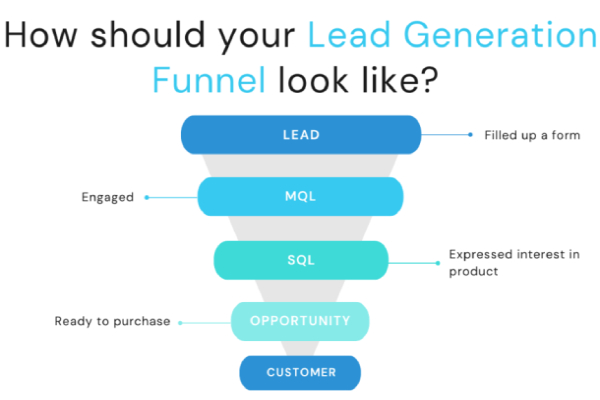
What is online lead generation in B2B?
Online lead generation refers to the digital attraction of potential customers (leads) through channels such as search engines, social media, email, advertising, and content marketing. In B2B, this means specifically attracting professionals with a business purchasing intent. What matters most here is not the quantity of leads, but their quality. By strategically setting up your content, targeting, and follow-up, you don’t just attract visitors – you convert them into valuable contacts for sales.
Example: An IT company offers an ROI calculator for their SaaS solution. Professionals fill in their details, immediately receive value, and are automatically added to a nurture flow.
Why a strategy is essential
Without a clear strategy, you quickly end up with isolated actions that lack coherence. A good online lead generation strategy connects your target audiences, propositions, and buyer journey to concrete digital campaigns. Think of a layered approach:
- Raising awareness: through SEO & LinkedIn
- Generating interest: via whitepapers or webinars
- Driving action: through demo requests or intake meetings
Companies with a structured lead generation strategy achieve an average of 133% more revenue from inbound marketing.
Source: HubSpot Marketing Statistics
Lead magnets & content formats that convert
The power of online B2B lead generation lies in offering immediate value. To do this, you use so-called lead magnets: valuable content or tools offered in exchange for contact information.
Effective lead magnets in B2B include:
- Whitepapers with strategic insights
- ROI calculators or checklists
- On-demand webinars
- Success stories or benchmarks
Tip: Make sure your lead magnet is specific to one target group or industry. The more relevant it is, the higher the conversion rate.
Source: B2B Content Preferences Survey – Demand Gen Report
From click to customer: automating lead qualification
Generating online leads is one thing. But to turn them into customers, you need to automate and structure the follow-up process. With tools like HubSpot, ActiveCampaign, or SharpSpring, you can automate lead qualification and follow-up.
Typical steps:
- Lead downloads an e-book → lead score +10
- Opens 3 emails within 10 days → lead score +15
- Score above 50? → Automatic notification to sales
This way, you accelerate the funnel and increase conversion.
B2B companies that automatically qualify leads convert 20% faster.
Source: MarketingProfs – Lead Qualification Benchmarks
Use case: Cognism increases engagement by 200% by adjusting LinkedIn targeting.
Cognism improved LinkedIn campaign performance by switching from targeting by job title to targeting by job function and seniority, resulting in a 200% engagement increase with the same ad budgets.
Source: Cognism – How Cognism increased engagement on LinkedIn Ads by 200% (CXL blog)
Checklist: is your lead generation mature?
Answer these questions with yes or no:
| Question | Yes / No |
|---|---|
| Have you defined a clear ICP or buyer personas? | |
| Do you offer at least one valuable lead magnet per target group? | |
| Do you use marketing automation for lead follow-up? | |
| Are marketing and sales aligned on what defines a ‘good lead’? | |
| Can you see which content contributes to conversion? | |
| Do you have KPIs for every stage of the funnel? |
4 or more “yes” answers? Then you’re on the right track. Fewer? Time for optimization.
Also read: Lead generation tools
Frequently asked questions
- What is B2B lead generation?
- B2B lead generation is the process of attracting business customers through digital channels. The focus is on high-quality leads that fit your target audience.
- Can ChatGPT generate leads?
- Indirectly, yes. ChatGPT helps create content, emails, and scripts that increase conversions. It does not generate leads by itself.
- What is a B2B example?
- A software company promoting whitepapers to IT managers via LinkedIn ads. Interested leads leave their details and are followed up afterward.
- What is lead qualification in B2B?
- It’s the process of assessing how valuable a lead is. This is done through scores based on behavior (downloads, clicks) or profile (role, industry).
- How can I generate online leads?
- By creating targeted content, advertising effectively (for example via LinkedIn or Google), and automating follow-up with email and CRM tools.
Want to know more about online B2B lead generation?
Do you want to consistently attract better leads, become less dependent on cold acquisition, and use marketing as a growth accelerator?
We help you with a concrete action plan tailored to your industry, target audience, and sales team.
Contact Sales Improvement Group.